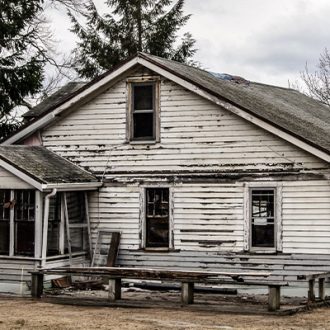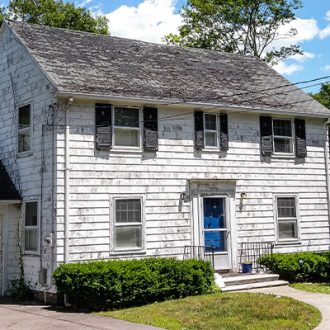
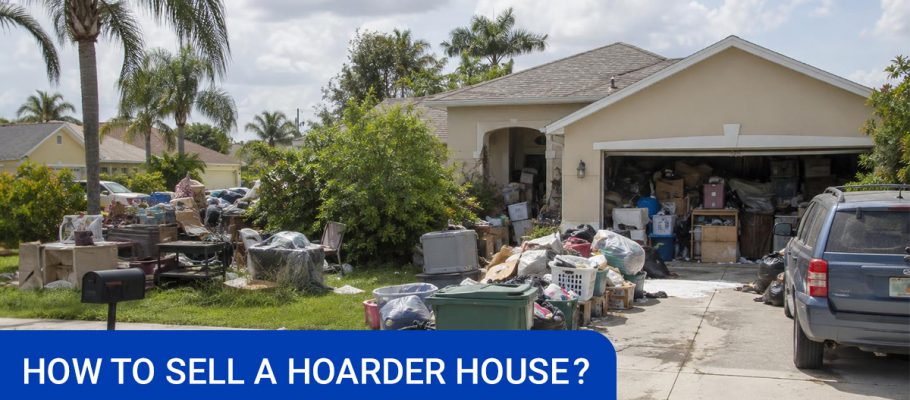
To sell a hoarder house in Florida, first make it safe, document what’s inside, and confirm who has the legal right to sell. Then choose a path: clear it out and list it, sell it as-is to a cash buyer, or keep and rent it. Whichever way you sell, Florida law requires you to disclose known hidden problems.
Facing a home affected by hoarding can feel overwhelming, whether it’s a parent’s, a sibling’s, or your own. If you’re dealing with the stress of a hoarder house, take a breath. You are not alone, and there’s no reason to feel ashamed. Hoarding disorder is a recognized mental health condition, and for many people and families, dealing with the home is about much more than simply clearing out belongings.
The good news is that you don’t have to clear out every room before you sell. Some buyers purchase a home affected by hoarding as-is, and most families weigh three choices: clear it out and list it, sell it as-is, or keep the property.
At Lincoln Madison Investments (LMI), headquartered in Lakeland, we bring more than 15 years of experience to buying distressed houses as-is for cash, including inherited and probate properties. If you need to sell a hoarder house in Polk County, we buy in Polk County only, from Lakeland to Lake Wales to Winter Haven, and you can see all the areas we serve. If the home is elsewhere in Florida, the general steps and Florida rules below still apply.
In this guide, we’ll walk you through how to sell a hoarder house, from your first steps to what makes these homes hard to sell and how each option really works, including the costs and the legal questions. For legal or mental health questions, please reach out to a professional in those areas. We’re real estate professionals, and we’re here to guide you through the house itself.
Key Takeaways
If you only have a minute, start here.
- Start by securing and documenting the home before you throw anything away.
- Helping with a home isn’t the same as having the legal right to sell it, so confirm who holds that right before you spend time, effort, and money.
- Check safety before anyone goes inside. Severe hoarding conditions may need professionals, not just a family cleanup.
- A home affected by hoarding can often be sold without a full cleanout, and Florida home sellers must still disclose known facts that materially affect value and aren’t readily observable to the buyer.
- Compare clearing out and listing, selling as-is, and keeping and renting side by side, using your own quotes and your net proceeds, not just the headline price.
How to Sell a Hoarder House Summary
Here’s how the four main options compare at a glance.
| Option | Who handles the contents | Work before sale | Main trade-off |
|---|---|---|---|
| Keep and rent it | You, before any tenant moves in | Cleanup, safety fixes, and repairs to make it livable | You keep the property, but take on cleanup costs, carrying costs, and landlord responsibilities |
| Clear it out and list it | You, or professionals you hire | Cleanout, any remediation, repairs, and listing prep | Cleanout can reveal more damage and cost before you’re paid |
| Estate sale or valuables first | You, with a specialist when needed | Sorting valuables, papers, and keepsakes before anything is thrown away | It protects valuables, but you still need a plan for the house. |
| Sell as-is with everything inside | The buyer, if the purchase agreement allows it | Setting aside papers and valuables you want to keep | You avoid most cleanup and repair work, but the offer reflects the work and costs the buyer takes on |
Own, Inherited, or Helping With a Hoarder House? Your First Three Steps
You don’t have to decide what to do with the home right away. Before you throw anything away, hire cleaners, or spend money, do three things in order: secure and document the property, confirm who has the legal right to act, and check safety before anyone goes inside.
Taking these steps first protects your family, the belongings, and your options. Here’s how to handle each one.
Secure and Document the Property
How you handle this step depends on one thing: does someone still live in the home?
If the house is empty, like an inherited property, take photos before you start moving anything. Get pictures of each room, the outside of the house, and any belongings that may be important to you or other family members.
Those photos give you a record of what was there and what condition the home was in. They can also help avoid confusion later about missing items or damage.
Then protect what can’t be replaced. Set aside:
- Legal papers, financial records, and unopened mail
- Family photographs and keepsakes
- Medications (ask a pharmacist how to dispose of them safely)
- Jewelry, cash, and other valuables
Make sure the doors and windows lock properly so the house stays secure while you figure out what comes next.
If your loved one still lives in the home, involve them in the process. Ask before taking photos, moving belongings, or throwing anything away. If they are not able to make those decisions themselves, the legal steps in the next section may apply.
Taking things slowly can help protect more than the property. It can also make a difficult situation easier on everyone involved.
Confirm Who Has the Legal Right to Act
Helping with a home is not the same as having the authority to sell it. Before you spend money or sign anything, figure out which of these describes you:
Owner: your name is on the deed.
Agent under a power of attorney: the owner signed a document naming you.
Guardian: a court appointed you to manage the owner’s affairs.
Personal representative: Florida’s term for the person a court appoints to run a deceased owner’s estate.
Co-owner: you share the title with someone else.
Check Safety Before Anyone Goes Inside
Please don’t walk into a home affected by hoarding without checking it first. Watch for these:
- Blocked exits, doors, or windows. The U.S. Fire Administration says blocked doors and windows make it hard for firefighters to get in.
- Piles and items underfoot that can cause falls
- Signs of pests, mold, or animal waste
- Exposed wiring or belongings crowded around stoves and heaters
- Sagging floors or ceilings
If you see any of these, stop. Our agents recommend bringing in professionals instead of a family cleanup. If someone still lives here, the U.S. Fire Administration says to keep anything that can burn at least 3 feet from cooking and heating equipment.
Can You Sell a Hoarder House in Florida?
Yes, you can sell a hoarder house in Florida, and a full cleanout isn’t always required first. You may be able to sell the house as-is, without cleaning it out or making repairs first. What shapes the sale is the home’s condition, who owns it, any code issues, what you must disclose, and how the buyer pays.
Let’s start with why these homes can be hard to sell.
What Makes a Hoarder Home Hard to Sell
Clutter itself usually isn’t what stops a sale. What stops it is what the clutter hides. Once belongings are cleared, buyers and inspectors can see the real condition, and that uncertainty affects price and interest. Common issues include:
- Odors that have soaked into flooring or drywall
- Damaged flooring or subfloors
- Pests or mold
- Plumbing or electrical problems
- Rooms no one has reached in years
- Deferred maintenance, like an aging roof or A/C
Not every home affected by hoarding has these problems. Some need little more than a cleanout. But you usually can’t know until someone can see the whole house, which is why the sale path you choose matters as much as the cleanup.
Can a Hoarder House Be Condemned or Cited by Code Enforcement?
Yes, it can happen, but officials act on the condition of the property, not on why it got that way. Trash piling up outside, unsanitary conditions, or an unsafe structure can lead to a notice, and serious cases can end in required repairs or demolition. It depends on your local government’s rules.
Here’s how a case usually progresses in Florida:
- A notice of violation lists the problem and a deadline to fix it. Owners are generally given a reasonable time, but repeat violations, serious threats to health or safety, and violations that can’t be undone can go straight to a hearing.
- If it isn’t fixed, the case goes before a special magistrate or code enforcement board, which can impose fines, costs, and liens.
- If a home is unsafe to live in and the owner doesn’t fix it, officials can require repairs, order it vacated, or, in serious cases, require demolition. The local government can also make the repairs itself and charge the owner.
Florida law caps most fines at $250 per day for a first violation and $500 for a repeat, though counties and cities with 50,000 or more residents can set higher limits. Chapter 162 of the Florida Statutes sets the statewide framework, but each county and city runs its own code enforcement, so local details vary. For example, here in Polk County, anyone can report unsafe exterior conditions, but the county doesn’t take anonymous complaints, and inspectors generally can’t enter a home without consent from someone with legal control of it or a warrant. The Florida Department of Health in Polk County handles some health issues, such as raw sewage. The county also states that it works with property owners who are actively taking steps to bring a violation into compliance.
Got a notice about a hoarding home? We can help.
Contact us by calling 863-521-0549 or filling out a contact form, and we’ll answer your questions and walk you through your options.

How to Sell a Hoarder House
You don’t have to clean a hoarder house before selling it, but you do get to choose how much work happens first. How to sell a hoarder house depends on its condition, cleanup and repair costs, your timeline, your privacy concerns, the cash you have, and what you’d net from each option.
Here are the four main paths, starting with the one that doesn’t involve selling at all.
1. Keep the Home and Rent it
If letting go of the house feels too soon, that’s okay. Keeping it and renting it out can be a good choice when you want to hold on to a family home or you’d like long-term income. It helps to know what comes first: a home affected by hoarding often needs cleanup, repairs, and safety work before anyone can safely live there. Three things to think through:
Is the home livable?
Florida law generally requires landlords to keep a rental in compliance with building, housing, and health codes, so the home has to be ready for a tenant.
Is the home insured for renting?
A homeowners policy often isn’t written for a rented home, and many policies limit coverage when a home sits empty. Ask your insurer about a landlord policy and about vacancy.
Can you cover the expenses until you can rent the home?
While the work is underway, you’ll still have expenses such as utilities, insurance, property taxes, and maintenance, with no rental income coming in to help cover them.
If keeping the house makes sense for your family, this path can work. Just make sure your budget can handle those ongoing costs while you get the property ready to rent.
2. Clear It Out and List It
This is the option many families think of first: empty the house, take care of any problems, make the repairs, and put it on the market.
The tricky part is that one job can lead to another. Once the belongings are out, you may find damage that was hidden before, like stained flooring, wall damage, plumbing problems, or old wiring. If there is mold or another issue that needs specialized cleanup, that may have to be handled before repairs can even begin. Each new discovery can add more time and money to the project.
This route can make sense if the house is in fairly good shape underneath and you have the time and budget to get it ready. Just keep in mind that buyers may order an inspection, which can uncover additional problems before closing.
Keep notes and photos as you go so you know what has been found and what has already been fixed. And if clearing out the house feels like too much to handle all at once, take it in stages or bring in help.
Public Listing and Your Loved One’s Privacy
Privacy is worth considering before you list. Once photos go online, they can be seen, saved, and shared beyond your control.
In a hoarder house, photos may reveal family pictures, paperwork, medications, collections, or other personal belongings. Showings can create similar exposure.
If privacy is a concern, a private sale may feel more comfortable because it can avoid public listing photos and open houses. If you do list, tell the agent clearly how you want the photos and showings to be handled.
3. Estate Sale or Valuables First
Before anything is cleared out, it helps to slow down and look for what matters. Cleanouts can move fast, and things that can’t be replaced are can be discarded. Beyond the papers and photographs you’ve already set aside, take a careful look for jewelry, coins, collectibles, antiques, and tools.
If you find items that could be worth something, a specialist can help. Hire an estate sale company for household contents, or an appraiser or dealer for jewelry, coins, and antiques. It’s reasonable to get more than one opinion on high-value items. If you come across firearms, your local sheriff’s office or an attorney can guide you on what to do.
Sentimental items deserve a little extra time, even if they are not worth much money. Go through them slowly, preferably with your loved one or other family members, so nobody feels rushed into giving something up.
Set aside the things that matter first. The house will still need a plan afterward, but at least you can make that decision knowing the important belongings are safe.
4. Sell As-Is, No Cleanup or Repairs Needed
Some buyers will purchase a home “as-is”, with the contents still inside, so you won’t have to clean or make repairs. It depends on the buyer and on what the contract says. “As-is” means the buyer accepts the home in its current condition and you don’t repair anything. “Everything inside” means belongings stay, so the purchase agreement should spell out what stays, what you’re keeping, who removes what, and by when.
Selling as-is does not mean you can ignore problems you already know about. If there are hidden issues you are required to disclose, that still applies.
The offer may also be lower because the buyer is taking on cleaning and repairs. When you compare offers, look at what you would actually walk away with after costs, not just the price at the top of the page.
Not sure whether an as-is sale fits your family? At LMI, we buy houses as-is for cash, and one of our agents can talk through your options with you, including what happens to the belongings inside. Call 863-521-0549 or fill out a contact form seven days a week, with no obligation.
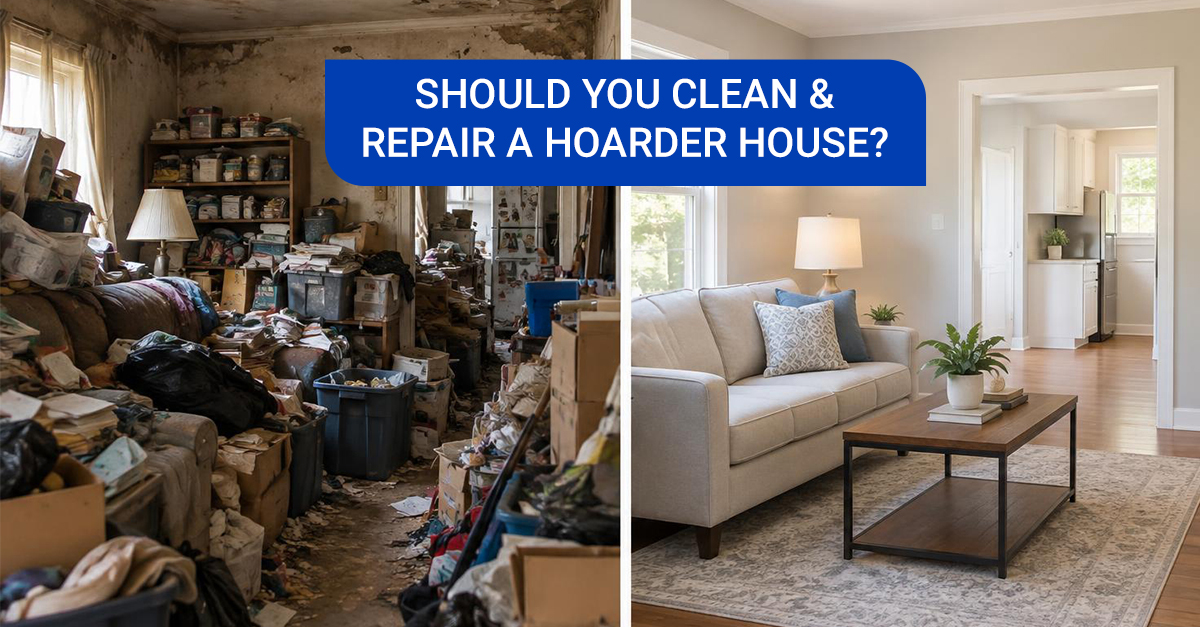
Should You Clean and Repair a Hoarder House Before Selling?
Not always. Many homes affected by hoarding can be cleaned and restored, but whether that makes financial sense depends less on the visible clutter and more on the condition underneath it. Also, cleanout, remediation, and repairs require money, time, and patience.
What If I Clean It Out and the Smell Stays?
It can happen. Clearing belongings out doesn’t always clear the odor, because carpet, drywall, subflooring, and other materials can hold on to moisture and smells. If the odor stays, the next step is usually an assessment by a qualified professional, rather than another round of cleaning.
To protect your money, take these steps in order:
- Get an assessment before you pay for a full cleanout.
- Ask for a written quote that says whether materials like carpet or drywall must be removed.
- Request a no-obligation cash offer to use as a benchmark.
- Compare what you’d net after cleanout, repairs, and carrying costs against that offer.
Why Odor Is So Hard to Remove?
Odor lives in materials, not just in the air. The U.S. Environmental Protection Agency says porous materials such as carpet may have to be thrown away when they become moldy, because mold can be difficult or impossible to remove completely. Odors can be similar, and where they come from decides the fix. It can be as simple as cleaning in one room and as involved as replacing materials in another.
Not every home affected by hoarding has an odor problem, and a smell alone doesn’t tell you what’s underneath. A qualified remediation professional can trace where the odor is coming from and tell you which materials can be cleaned and which may need to be removed.
Get an Assessment Before You Spend Money
Before you spend a dollar on a cleanout, it helps to find out what you’re actually dealing with. Different questions need different professionals, so here’s who to call for what.
| What you need to know | Who can help | What to get in writing |
|---|---|---|
| Is the roof, structure, plumbing, and electrical system in good condition? | A licensed contractor or home inspector | A report showing the condition of the home and recommended repairs |
| Is there mold, and how extensive is it? | A licensed mold assessor | A written assessment showing affected areas and recommended next steps |
| What will the cleanout involve? | A cleanout or restoration company | A written scope of work, estimated cost, and any items that could increase the price |
| What could the home be worth after cleanup and repairs? | A local real estate agent or appraiser | A written estimate of the home’s potential value after the work is completed |
| What could you receive by selling the home as-is? | A cash buyer, such as LMI in Polk County | A written, no-obligation cash offer |
What Is the Average Cost to Clean a Hoarder House?
In Florida, a professional hoarder house cleanup can cost anywhere from about $2,000 to $15,000 or more. Light cleanouts may stay near the lower end, while homes with large amounts of clutter, biohazards, mold, pests, or property damage can cost considerably more.
There isn’t one standard price because every home is different. The final cost usually depends on:
- Where the property is located, including local labor and disposal costs, and how easily cleanup crews and dumpsters can access the property
- The size of the home and amount of clutter
- How many workers and days are needed
- Blocked rooms, stairs, or difficult access
- Junk removal and disposal fees
- Whether belongings need to be sorted for valuables or important documents
- Biohazards, mold, pests, or other conditions that require specialized cleanup
- Where the property is located
And remember, cleaning out the house is not necessarily the same as repairing it. Once everything is removed, you could discover damaged flooring, drywall, plumbing, electrical systems, or other problems that add to the total cost.
Clear Out and List vs. Sell As-Is: The Real Numbers
Selling a cleaned-up hoarder house may bring a higher sale price, but that doesn’t automatically mean you’ll walk away with more money. What matters is your net proceeds, which is what you have left after cleanup, repairs, selling expenses, and other costs.
Here are some of the expenses to compare when considering selling a hoarder home:
| Expense | If you clear and list it | If you sell as-is |
|---|---|---|
| Hoarder house cleanout | You pay, potentially $2,000 to $15,000+ | Usually left for the buyer to handle and factored into the offer |
| Repairs | You pay for the work, potentially $4,000 to $30,000+, depending on the home’s condition and the repairs needed. | Usually factored into the as-is offer |
| Agent commission | Negotiable, but commonly around 5% to 6% of the sale price in FL | None if you sell directly to a buyer without an agent |
| Utilities, insurance, and other carrying costs | Hundreds of dollars per month, depending on insurance, utilities, property taxes, HOA fees, and maintenance. These costs continue until the sale closes | Continue until closing, although a direct cash sale may close sooner |
| Documentary stamp tax on the deed | About 0.6% to 0.7% of the sale price in FL, depending on the county and property type | About 0.6% to 0.7% of the sale price in FL, depending on the county and property type |
For example, suppose the home could sell for $400,000 after cleanup and repairs, but you would need to spend $12,000 on cleanup and $18,000 on repairs first. That is $30,000 invested before agent compensation, carrying costs, and other selling expenses.
But money is only part of the decision. Cleaning out a hoarder house, hiring contractors, getting estimates, making repair decisions, and checking on the work can take a lot of time and energy. It can also be emotionally draining, especially if you are sorting through a loved one’s belongings while grieving.
An as-is offer may be lower, but it can also mean avoiding much of that upfront cost, work, and stress.
Before deciding, compare both options based on what matters to you: How much could you keep, how much time will each option require, and how much are you willing to take on personally?
Before paying for major repairs, ask yourself a simple question: Will the increase in the home’s sale price be greater than what I have to spend to get it there?
If you’re not sure, get estimates first. Cleanup, roofing, electrical, plumbing, mold remediation, and structural repairs can quickly change the numbers.
Which Hoarder Home Selling Option Fits You?
The right option depends on your legal authority to sell, the condition of the home, your timeline, your budget, what matters most to you, and whether important belongings still need to be saved. There is no single best answer. The questions below can help you compare your options.
Six Questions to Ask Before You Decide
Answer these honestly, and the table shows where each answer points.
| Question | If your answer is | Consider |
|---|---|---|
| Who has the legal right to sell? | Not sure, or others must sign | Settle who can sign first |
| Is it safe to enter? | No, or not sure | Get a professional assessment before anything else |
| What is your deadline? | Soon, such as a code notice or tax deadline | Compare how fast each option can realistically close |
| Can you afford a cleanout first? | No | Sell as-is, or keep and rent only if you can fund the work |
| What matters more to you? | Top price, or a faster sale with less work | Top price: clear out and list A faster sale with less work: sell as-is |
| Are there valuables or papers to save? | Yes | Do the valuables step first, whichever path you choose |
If your answers point in different directions, that’s okay. Every situation is different. Talk it through with someone who will walk you through your options clearly, even if selling to us is not the right fit.
Who Has the Legal Right to Sell?
Before you spend money cleaning or repairing the home, make sure you know who has the legal authority to sell it. Depending on the situation, that may be the owner, someone acting under a valid power of attorney, a court-appointed guardian, a personal representative of an estate, or the property’s co-owners.
| Situation | What to check |
|---|---|
| The owner is selling | Confirm ownership on the deed and whether a spouse must also sign |
| Someone has power of attorney | Make sure the document gives that person authority to handle the real estate |
| The owner has a guardian | Check the court order to see what authority the guardian has |
| The owner has passed away | Confirm who the probate court has authorized to act for the estate |
| The home has multiple owners | Confirm who is on the deed and whose signatures will be needed |
If you’re helping a parent, relative, or friend with a home affected by hoarding, caring for the property does not automatically give you the authority to sell it.
Before accepting an offer or signing a contract, consider having a Florida real estate or probate attorney review the deed and any probate, guardianship, or power-of-attorney documents. That can help you confirm who needs to sign before the sale moves forward.
Sell Hoarder House Fast: What a Cash Sale Looks Like
A cash sale means selling the home as-is to a buyer who does not rely on mortgage financing. That can help you avoid repairs, public showings, and the traditional listing process. The offer usually reflects the condition of the home and the work the buyer expects to take on.
Here is how the process works with Lincoln Madison Investments:
- You call us or send us the property address.
- We review the home and make a cash offer.
- You choose a closing date that works for your family.
- You close and receive your payment.
Requesting an offer does not commit you to selling. You can review it, compare it with your other options, and decide what makes the most sense for your situation.
Selling a Hoarder Home as-is Timeline
Timing depends on the home, the title, and who needs to sign. Here is what a typical cash sale with LMI can look like:
| Stage | What happens | Timing |
|---|---|---|
| Reach out | You call us or send us the property address | Any day, with agents available 7 days a week |
| Offer | We review the home and make a cash offer | Usually within 24 hours of your request |
| Closing | You choose a date that works for your family | As little as 7 days, or later if you need more time |
| What can add time | Probate, title questions, liens, or co-owners | Depends on the court, title work, and required signatures |
Those timing figures are for our cash sales in general. You can read more on our page about selling your home fast.
Selling a Hoarder’s House: Safety, Health, and Florida Disclosure
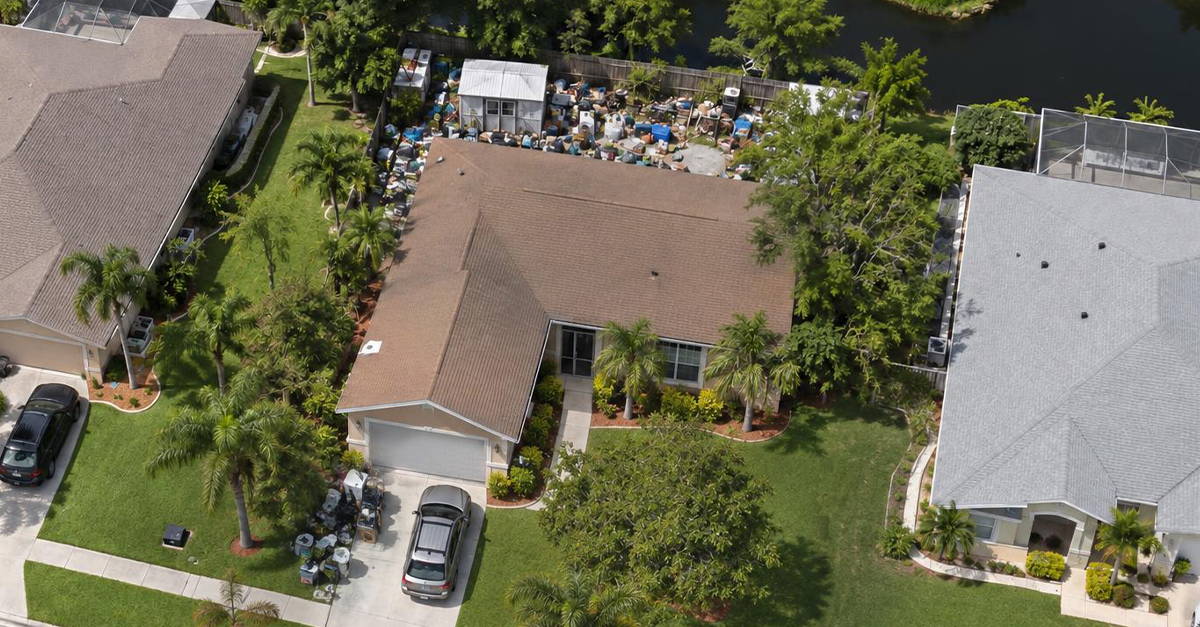
Selling a hoarder house in Florida starts with safety and honesty. Mold, pests, blocked exits, fire hazards, and hidden damage can all affect how the home should be handled. Selling as-is does not remove a seller’s duty to disclose certain known problems.
Mold, Pests, and Odor
Strong odors can point to moisture, mold, pests, or other problems that need attention.
The EPA warns that mold can cause health effects and may return if the moisture source is not fixed. Rodent droppings and heavy pest activity can also create health risks, so larger cleanup jobs are often better left to professionals.
Fire Hazards and Insurance
Blocked exits, overloaded outlets, space heaters, and flammable items near heat can all increase fire risk.
Before hiring cleanup crews or leaving the home vacant, check with your insurer to see whether the property’s condition could affect coverage.
Your Disclosure Duty as a Seller
In Florida, sellers generally must disclose known problems that materially affect the home’s value when those problems are not readily observable.
For a hoarder house, that could include mold, pest damage, odors, water damage, or other hidden defects. Selling as-is does not automatically remove that responsibility.
Putting known issues in writing can help keep the sale clear for everyone involved.
Mistakes to Avoid When Selling a Hoarder House
When a home needs attention, it is natural to want to solve the problem quickly. But rushing can sometimes create more stress or lead to decisions you later regret.
A few common mistakes to avoid:
1. Not asking enough questions
Whether you work with an agent, investor, or another buyer, make sure you understand the offer, ask questions, and get important details in writing.
2. Signing because you feel pressured
A deadline, code issue, tax concern, or family pressure can make a decision feel urgent. Before signing anything, make sure you understand the agreement and consider having a real estate attorney or other qualified professional review it.
3. Trying to handle everything alone
Sorting belongings, arranging cleanup, and making decisions about a loved one’s home can be overwhelming. The International OCD Foundation encourages families to learn more about hoarding and seek support when needed. You do not have to manage every part of the process by yourself.
4. Not confirming who has the legal authority to sell
If the homeowner has passed away, cannot manage their affairs, or multiple people own the property, the person helping with the home may not automatically have the right to sell it. Confirm who can legally sign before spending money on cleanup or repairs.
5. Spending money on repairs before knowing the numbers
It is easy to assume that cleaning and fixing everything will lead to more money, but the added sale price may not cover the cost, time, and stress involved. Get estimates and compare your options before starting major work.
6. Not getting estimates and offers in writing
Cleanup, repairs, and selling options can involve a lot of moving parts. Verbal estimates or promises can change, so ask contractors for written scopes of work and buyers for written offers that explain the terms. Having everything in writing makes it easier to compare your options and understand what you are agreeing to.
Selling a Hoarder House FAQs
Here are quick answers to common questions about selling a hoarder house.
Can hoarder houses be sold?
Yes. You can sell a hoarder house in Florida, whether it’s cleared out and listed or sold as-is. A full cleanout isn’t always required first. Who owns the home, its condition, any code issues, and what you must disclose all shape which path works best.
What is the fastest way to clean out a hoarder’s house?
The fastest safe way depends on how serious the conditions are. For homes with safety concerns, a professional team is usually safer than a family cleanout and often faster, but find the valuables and papers first. If speed matters most, and you have no sentimental attachment, you may be able to skip the cleanout by selling as-is.
Will insurance pay for hoarding cleanup?
It depends on your policy and what caused the damage. Insurance may cover damage from a covered event, such as a fire or burst pipe, but it may not cover the cost of removing accumulated belongings. Check with your insurer before hiring anyone. If you need help understanding your coverage, call the Florida Department of Financial Services’ Insurance Consumer Helpline at 1-877-693-5236.
What do hoarder houses smell like?
There’s no single smell. Odors can come from moisture, mold, pets, pests, spoiled food, waste, smoke, or materials that have absorbed odors over time. Many homes affected by hoarding have no strong odor at all. Finding the source is the first step, and a qualified professional can help.
Conclusion
A hoarder house may feel like a difficult property to sell, but difficult does not mean impossible. There are buyers who understand that some homes come with years of belongings, deferred maintenance, and complicated circumstances.
The important thing is to choose a selling path that matches your situation, your timeline, and how much work you realistically want to take on.
If cleaning, repairing, and preparing the house feels like too much, selling as-is can offer another way forward. Lincoln Madison Investments buys homes in Polk County, FL, in their current condition, so homeowners can explore a sale without first clearing out the property or making repairs.
Sometimes, simply knowing you have options can make the situation feel a little more manageable.
Sell Your Hoarder House in Polk County, FL
If you decide an as-is sale is right for your family, we’d be honored to help. Lincoln Madison Investments is headquartered in Lakeland, with more than 15 years of experience and over $100 million of real estate bought and sold. Our friendly, licensed agents are available seven days a week, we buy houses as-is for cash, and asking for an offer is no obligation.
We buy homes in Lakeland, Davenport, Winter Haven, Haines City, and across Polk County, FL. When you’re ready, we’re here. Contact us by calling 863-521-0549 or filling out a contact form, and we’ll answer your questions and walk you through your options.
References
- American Psychiatric Association, “What Is Hoarding Disorder?”: https://psychiatry.org/patients-families/hoarding-disorder/what-is-hoarding-disorder
- International OCD Foundation, hoarding disorder brochure (July 2025): https://iocdf.org/wp-content/uploads/2025/07/What-is-Hoarding-Disorder-Brochure-July-2025.pdf
- International OCD Foundation family tips, as reprinted by Barnstable County: https://capecod.gov/cape-cod-hoarding-resource-network/what-is-hoarding/family-friends
- U.S. Fire Administration, “Hoarding and Fire Safety”: https://www.usfa.fema.gov/downloads/pdf/publications/hoarding_and_fire_safety_flyer.pdf
- U.S. Environmental Protection Agency, A Brief Guide to Mold, Moisture, and Your Home: https://www.epa.gov/sites/production/files/2016-10/documents/moldguide12.pdf
- Centers for Disease Control and Prevention, “How to Clean Up After Rodents”: https://www.cdc.gov/healthypets/pets/wildlife/clean-up.html
- Florida Constitution, Article X, Section 4(c), quoted in a Florida Senate staff analysis: https://www.flsenate.gov/Session/Bill/2018/512/Analyses/2018s00512.rc.PDF
- Polk County Code Enforcement: https://www.polkfl.gov/public-safety/code-enforcement/
- Polk County Code Enforcement FAQs: https://www.polkfl.gov/public-safety/code-enforcement/faqs/
- Polk County Floodplain Management: https://www.polkfl.gov/public-safety/floodplain-management/am-i-in-a-flood-zone/
- Polk County news release, “Solid Waste Disposal Fees Increased” (October 1, 2025): https://www.polkfl.gov/news/solid-waste-disposal-fees-increased/
- Polk County news release, “Polk County Board Approves to Increase Disposal Fees for North Central Landfill” (July 1, 2025): https://www.polkfl.gov/news/polk-county-board-approves-to-increase-disposal-fees-for-north-central-landfill/
- Florida Department of Business and Professional Regulation, license search: https://www.myfloridalicense.com/
- Florida Statutes, Chapter 468, Part XVI (mold-related services), bill text creating the licensing scheme: https://flsenate.gov/Session/Bill/2006/161/BillText/c1/PDF
- Florida Department of Financial Services, Insurance Consumer Helpline: https://www.myfloridacfo.com/division/consumers/contactus